Sony A7 III vs Lumix S9 – Which one is better?
Sony Alpha A7 III vs Panasonic Lumix S9 – Which One Is Better?
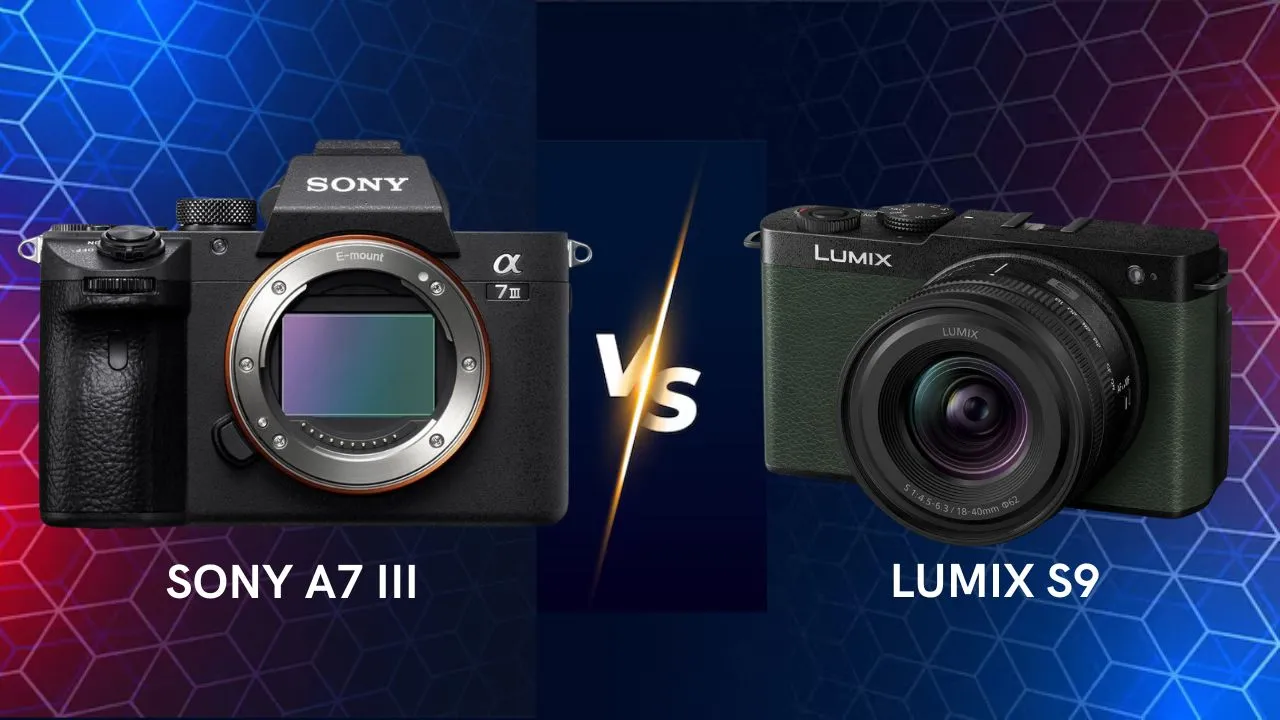
Comparing the Sony A7 III and the Panasonic Lumix S9 means making a decision between two full-frame mirrorless cameras with different strengths and workflows.
The A7 III is a proven full-frame hybrid workhorse with a mature system, while the Lumix S9 is a newer full-frame body that prioritises compactness and modern creator-friendly features.
Here’s a full breakdown to help you determine which one is the better choice for you.
⚙️ Overview — Established Full-Frame Hybrid vs Compact Modern Full-Frame
Sony A7 III:
A full-frame mirrorless camera well-regarded for its excellent stills and video performance, strong lens ecosystem, reliable autofocus and overall versatility. It’s a go-to for photographers and hybrid shooters who need a full-feature body.
Panasonic Lumix S9:
Also a full-frame interchangeable-lens mirrorless camera, but designed with an emphasis on portability, creator workflows, possibly lighter gear and newer features. It targets users who want full-frame image quality but with smaller size and modern conveniences.
In short:
-
A7 III = Best for system-builders, lens list expansion, full-feature hybrid use, and full-frame flexibility.
-
Lumix S9 = Best for creators valuing portability, modern features and full-frame look with lighter gear.
📸 Key Specifications Comparison
Below is a high-level comparison of core specs (always check full spec sheets for details).
| Specification | Sony Alpha A7 III | Panasonic Lumix S9 |
|---|---|---|
| Release date | April 2018 | May 2024 |
| Camera type | Mirrorless | Mirrorless |
| Sensor format | Full Frame (35.6 × 23.8 mm) | Full Frame (35.6 × 23.8 mm) |
| Sensor type | BSI-CMOS | CMOS |
| Resolution | 24.2 MP | 24.2 MP |
| Image processor | BIONZ X | Venus Engine |
| ISO range | 100–51,200 (expandable to 204,800) | 100–51,200 (expandable to 204,800) |
| Autofocus system | 693-point phase-detection AF | Phase Hybrid AF (779-point) |
| Continuous shooting | Up to 10 fps | Up to 30 fps (electronic) |
| Video recording | 4K up to 30p (8-bit, 4:2:0 internal) | 6K up to 30p, 4K up to 60p (10-bit internal) |
| Viewfinder | 2.36M-dot OLED EVF | None |
| LCD screen | 3.0″ tilting screen, 922k dots | 3.0″ fully articulating touchscreen, 1.84M dots |
| In-body image stabilization (IBIS) | Yes, 5-axis | Yes, 5-axis |
| Memory card slots | 2× SD (1× UHS-II, 1× UHS-I) | 1× SD (UHS-II) |
| Battery life (CIPA) | Approx. 710 shots | Approx. 470 shots |
| Weight (with battery & card) | Approx. 650 g | Approx. 486 g |
| Launch price (body only) | Approx. USD 2,000 (check on Amazon) | Approx. USD 1,500 (check on Amazon) |
🧱 Build, Handling & Portability
The Sony A7 III offers a tried-and-true full-frame body with good ergonomics, deeper grip, large lens compatibility and professional-level features. It’s excellent for longer shoots, heavier lenses and more demanding workflows.
The Lumix S9 offers the advantage of being more compact (body size, possibly lighter lenses depending on lens choice), making it attractive for creators who carry their gear daily, travel frequently, or want a less obtrusive setup.
Verdict:
-
Choose A7 III if you prioritise ergonomics, lens system depth, and are comfortable with full-size gear.
-
Choose Lumix S9 if portability, smaller body size and lighter carry load matter more.
🎯 Autofocus & Performance
The A7 III benefits from mature autofocus and a complete feature set for stills and video. The Lumix S9, being newer, may bring refreshed features and improvements in certain workflows (lighter body, newer hardware) though the full ecosystem may still be catching up.
Verdict:
-
If you require proven, extensive AF/tracking system, strong lens choices, go A7 III.
-
If you prioritise modern convenience, lighter rig and still very strong AF for creative use, Lumix S9 is compelling.
🎥 Video Capabilities
Video creators will appreciate that both are full-frame, meaning shallower depth of field, good low light, etc. The A7 III has strong video credentials. The Lumix S9 may offer advantages in certain video-oriented conveniences (smaller body, newer interface, creator-centric features).
Verdict:
-
If video is a large part of your workflow and you already have lenses/system geared for video, A7 III is solid.
-
If you shoot video + stills but favour carry-light gear and modern workflow, Lumix S9 is very attractive.
🧠 Image Quality (Stills)
With both being full-frame ~24 MP, you’ll get excellent still image quality from either. The differences may come down to lens quality, system, workflow, and ergonomics rather than basic sensor performance.
Verdict:
-
Both deliver terrific stills; the decision is more about system and use case than raw image quality.
🔋 Ecosystem & Future-Proofing
The Sony E-Mount full-frame system gives you access to very broad lens options (native and third-party) and strong upgrade paths. The L-Mount (used by Lumix S9) is growing and has excellent lenses but may not yet match the breadth of Sony’s full-frame spectrum.
Verdict:
-
If system growth, long-term lens investments matter, A7 III has the edge.
-
If you value immediate carry convenience and your lens needs are moderate or you prefer lighter lenses, Lumix S9 may serve you extremely well.
💰 Price & Value
Depending on market and used/new deals, the A7 III often represents excellent value for full-frame due to its age and popularity. The Lumix S9 may be priced more recently with fewer used deals, and may factor in its compact form and modern features.
Verdict:
If you prioritise getting full-frame performance at the best value and don’t care as much about size, choose A7 III.
If you value size/portability and modern feature set and are willing to invest for that convenience, Lumix S9 is justified.
Check availability and price on Amazon 🛒
📷 Panasonic Lumix S9 — Amazon USA / Amazon Canada / Amazon UK / Amazon Australia
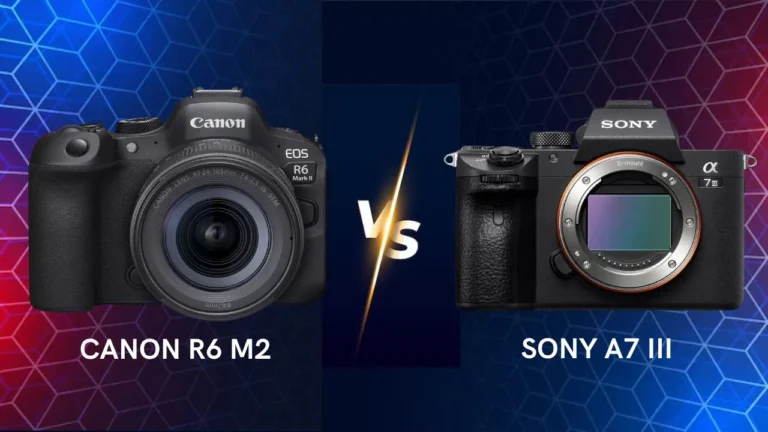
📷 Sony A7 III — Amazon USA / Amazon Canada / Amazon UK / Amazon Australia
🏁 Final Verdict — Sony A7 III vs Panasonic Lumix S9
| Type of User | Recommended Camera |
|---|---|
| Creator who carries gear daily, values lighter full-frame setup | Panasonic Lumix S9 |
| Photographer/creator who builds full-frame system, lens investment, hybrid shoots | Sony A7 III |
| Travel-oriented shooter needing full-frame image quality with manageable size | Lumix S9 |
| Professional or enthusiast needing maximum system flexibility and feature depth | A7 III |
✅ In Short:
Choose Sony A7 III if you want full-frame image quality, extensive ecosystem, proven performance and are okay carrying a full-size body and lens system.
Choose Panasonic Lumix S9 if you want a full-frame look in a more compact form, appreciate modern features, portability and a lighter carry footprint.
🧠 Final Thoughts
Both cameras are excellent—and “better” really depends on how you shoot, what gear you carry, and what features you prioritise.
-
If you carry your camera every day, travel often, shoot stills + video and want a lighter rig → go Lumix S9.
-
If you shoot frequently, build up a full-frame lens system, do hybrid work, and value flexibility → go A7 III.
Consider your workflow, lens collection, travel habits and future gear plans — then choose the camera that fits you.