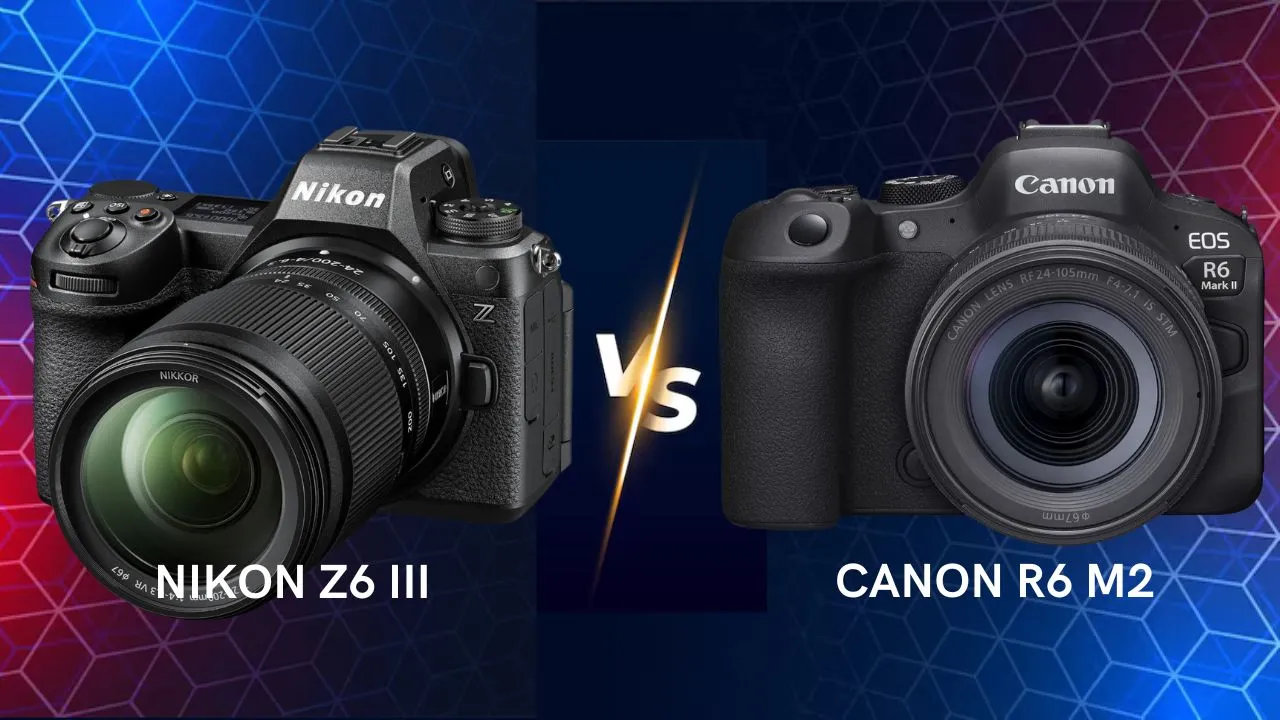
Nikon Z6 III vs Canon R6 Mark II | Which One Is Best For You?
Nikon Z6 III vs Canon R6 Mark II – Which One Is Best for You?
Two of the most balanced full-frame mirrorless cameras on the market today are the Nikon Z6 III and the Canon EOS R6 Mark II.
Both aim to deliver professional-level photo and video performance in compact, versatile bodies — appealing to hybrid creators who want one camera that can do it all.
But which one is the better investment for you? Let’s dive into the details and see how these two powerhouses compare.
⚙️ Overview — Hybrid Cameras Done Right
- Nikon Z6 III: Nikon’s latest mid-range hybrid with a new 24.5MP partially stacked sensor, advanced autofocus, 6K video recording, and the EXPEED 7 processor — offering speed and flexibility close to the Z8.
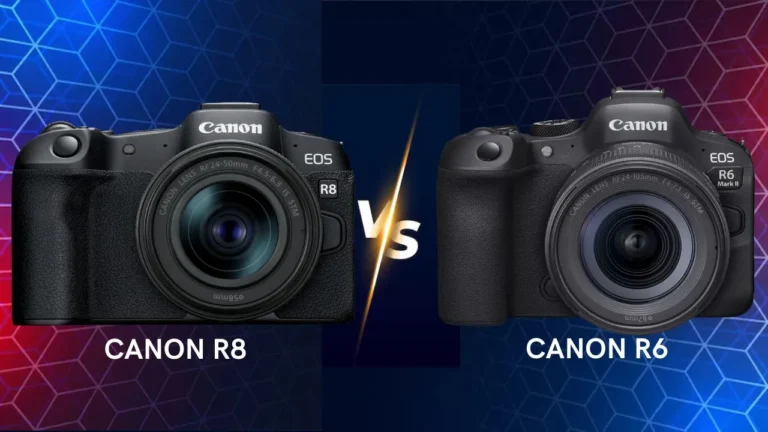
- Canon R6 Mark II: Canon’s second-generation R6, upgraded with a 24.2MP sensor, faster burst shooting, improved autofocus tracking, and oversampled 4K video with no overheating issues.
In short:
- Z6 III = Next-gen Nikon hybrid with 6K video and pro-level speed.
-
R6 Mark II = Canon’s best all-rounder for hybrid shooters and content creators.
📸 Specifications Comparison
| Feature | Nikon Z6 III | Canon EOS R6 Mark II |
|---|---|---|
| Sensor | 24.5MP Full-Frame Partially Stacked BSI CMOS | 24.2MP Full-Frame CMOS |
| Processor | EXPEED 7 | DIGIC X |
| Autofocus System | 299-point Hybrid AF with Deep-Learning AI | Dual Pixel CMOS AF II (1053 points, Deep Learning AF) |
| Continuous Shooting | 20 fps RAW / 60 fps JPEG | 12 fps mechanical / 40 fps electronic |
| In-Body Stabilization (IBIS) | ✅ Yes (up to 8 stops) | ✅ Yes (up to 8 stops) |
| Video Recording | 6K 60p (N-RAW / ProRes RAW) / 4K 120p / 10-bit internal | 4K 60p oversampled from 6K / 180p Full HD / 10-bit 4:2:2 |
| Log / 10-bit Output | ✅ N-Log / HLG / N-RAW / ProRes RAW | ✅ C-Log3 / HDR PQ / H.265 10-bit internal |
| ISO Range | 100–204,800 | 100–102,400 |
| Viewfinder | 5.76M-dot OLED EVF (120Hz) | 3.69M-dot OLED EVF (120Hz) |
| Screen | 3.2” Fully Articulating 2.1M-dot LCD | 3.0” Fully Articulating 1.62M-dot LCD |
| Card Slots | 1 × CFexpress Type B + 1 × SD UHS-II | 2 × SD UHS-II |
| Battery Life (CIPA) | ~440 shots | ~580 shots |
| Body Build | Magnesium Alloy, Weather-Sealed | Magnesium Alloy, Weather-Sealed |
| Weight | 740 g | 670 g |
| Price (Body Only) | ~$2,499 (check on Amazon) | ~$2,499 (check on Amazon) |
🧱 Build and Handling
Both cameras are built like tanks — durable, weather-sealed, and designed for professional use.
The Z6 III feels slightly heavier and more robust, while the R6 Mark II is a bit lighter and more ergonomic, with Canon’s intuitive control layout and fully articulated touchscreen.
Both have comfortable grips and high-quality EVFs, but the Z6 III’s 5.76M-dot EVF delivers a sharper, smoother view — particularly useful for manual focus and video framing.
👉 Verdict:
- Z6 III: Premium EVF and pro build.
- R6 Mark II: Better ergonomics and lighter handling.
🎯 Autofocus and Speed
This category is a tough call — both cameras use advanced AI-powered AF systems, and both are exceptionally fast.
The Canon R6 Mark II’s Dual Pixel CMOS AF II system remains one of the best in the industry — it’s fast, sticky, and incredibly reliable for tracking people, animals, and vehicles.
The Nikon Z6 III, however, has closed the gap dramatically. Thanks to the EXPEED 7 processor and partially stacked sensor, it offers near-flagship autofocus performance with intelligent AI detection and subject recognition that now rivals Canon.
👉 Verdict:
- Z6 III: Smarter AF and faster readout.
- R6 Mark II: More refined and consistent tracking for real-world use.
🎥 Video Capabilities
Both cameras are hybrid monsters, but the Z6 III takes the lead in flexibility and codec support.
Nikon Z6 III
- 6K 60p (N-RAW / ProRes RAW internal)
- 4K 120p oversampled from 6K
- 10-bit 4:2:2 internal
- Waveform, zebra, and false color tools
- Excellent dynamic range and detail
Canon R6 Mark II
- 4K 60p oversampled from 6K
- 1080p up to 180 fps
- 10-bit 4:2:2 C-Log3 internal recording
- Excellent color science and skin tones
The R6 Mark II delivers beautiful color right out of the camera, ideal for quick workflows and event shooters.
The Z6 III, on the other hand, offers more professional flexibility — internal RAW recording, higher frame rates, and more advanced monitoring tools.
👉 Verdict:
- Z6 III: Best for professional video creators.
- R6 Mark II: Best for fast workflows and cinematic color.
🧠 Image Quality
Both cameras feature around 24MP, which is ideal for most professional needs — offering a balance between detail, speed, and low-light performance.
The Z6 III’s partially stacked sensor gives it faster readout speeds and slightly better dynamic range, especially in RAW files.
The R6 Mark II delivers the classic Canon look — warm tones, beautiful skin rendering, and superb JPEG output.
👉 Verdict:
- Z6 III: Cleaner RAW files and better dynamic range.
- R6 Mark II: More natural color straight out of the camera.
🔋 Battery and Storage
The Canon R6 Mark II has better battery life (around 580 shots vs 440 on the Z6 III), and its dual SD slots are convenient and affordable.
The Z6 III, however, uses a faster CFexpress + SD combo, allowing much higher data throughput for 6K recording and burst shooting.
👉 Verdict:
- Z6 III: Faster storage and pro workflow.
- R6 Mark II: Longer battery life and simpler setup.
💰 Price and Value
Both cameras sit around $2,499 (body only), making this a pure head-to-head decision based on workflow preferences rather than price.
The Z6 III gives you next-gen video performance and advanced processing — perfect for hybrid professionals.
The R6 Mark II offers Canon’s excellent AF reliability, color science, and a lighter all-round experience that many still photographers prefer.
👉 Verdict:
- Z6 III: Best for hybrid shooters and videographers.
-
R6 Mark II: Best for photographers and event shooters.
Check availability and price on Amazon 🛒
📷 Nikon Z6 III — Amazon USA / Amazon Canada / Amazon UK / Amazon Australia
📷 Canon EOS R6 Mark II — Amazon USA / Amazon Canada / Amazon UK / Amazon Australia
Note: camerafight.com participates in the Amazon Associates Program. As an Amazon Associate, we earn from qualifying purchases.
🏁 Final Verdict — Nikon Z6 III vs Canon R6 Mark II
| Type of User | Recommended Camera |
|---|---|
| Beginner Full-Frame Photographer | Canon R6 Mark II |
| Enthusiast Photographer | Canon R6 Mark II |
| Professional Photographer | Both (tie) |
| Sports / Wildlife Shooter | Nikon Z6 III |
| Portrait Photographer | Canon R6 Mark II |
| Hybrid Creator (Photo + Video) | Nikon Z6 III |
| Travel Photographer | Canon R6 Mark II |
| Filmmaker / YouTuber | Nikon Z6 III |
| Budget-Conscious Buyer | Both (tie) |
✅ In short:
-
Choose the Nikon Z6 III if you want cutting-edge autofocus, 6K RAW video, and superior EVF quality for professional hybrid use.
- Choose the Canon R6 Mark II if you want beautiful color science, intuitive handling, and industry-leading autofocus for fast-paced photography
🧠 Final Thoughts
The Nikon Z6 III and Canon R6 Mark II represent the best of modern hybrid camera design — each catering to slightly different creative workflows.
If you prioritize video flexibility, technical performance, and cutting-edge AF, the Z6 III gives you incredible value with pro-level features.
If you value color science, ease of use, and photography-first ergonomics, the R6 Mark II remains one of the most enjoyable cameras Canon has ever made.
Either way, you’re getting a full-frame mirrorless system capable of professional results for years to come.