Nikon Z6 II vs Sony A7 III | Which One Is Best For You?
Nikon Z6 II vs Sony A7 III – Which One Is Best for You?
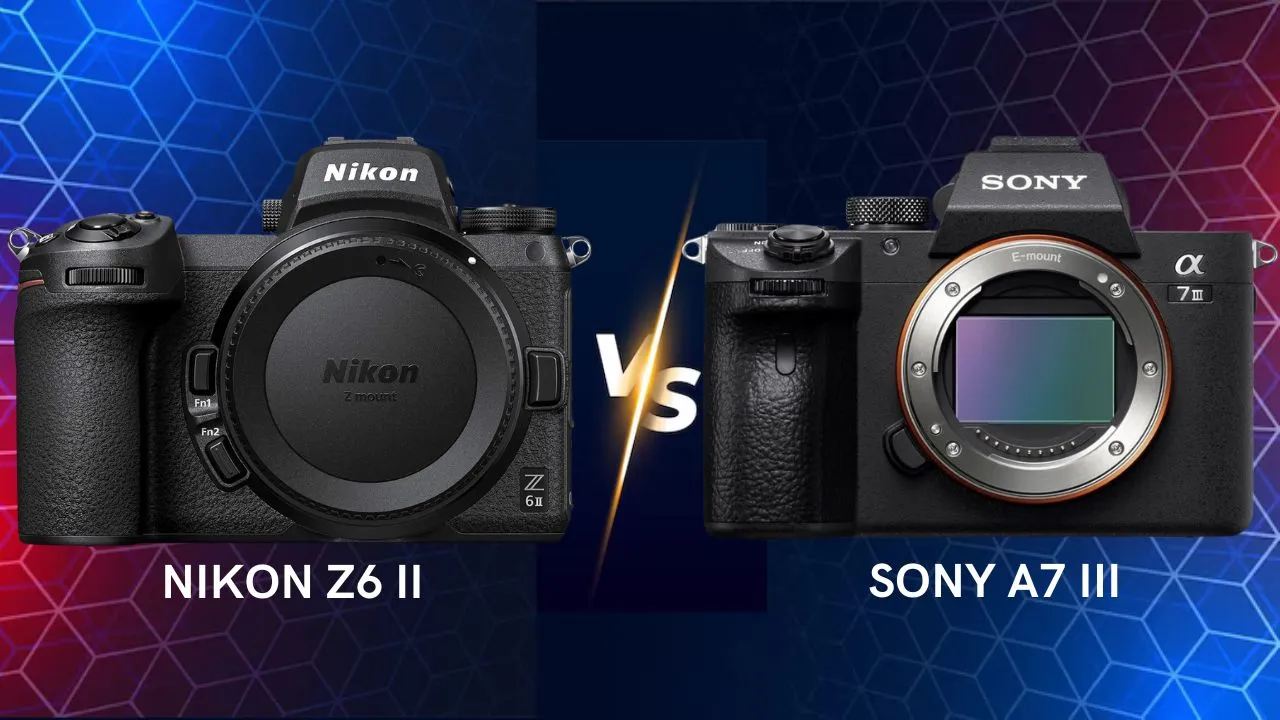
When it comes to full-frame mirrorless cameras, few rivalries are as close as the Nikon Z6 II and the Sony A7 III.
Both cameras have become benchmarks for hybrid photography — offering pro-level performance, impressive image quality, and strong video features at a reasonable price point.
But which one deserves your money today? Let’s break down their strengths, weaknesses, and what type of photographer or creator each camera suits best.
⚙️ Overview — Two Modern Classics
-
Nikon Z6 II: A refined hybrid camera that delivers excellent photo quality, reliable autofocus, dual processors, and strong video capabilities — ideal for photographers who want professional results in a compact, affordable body.
-
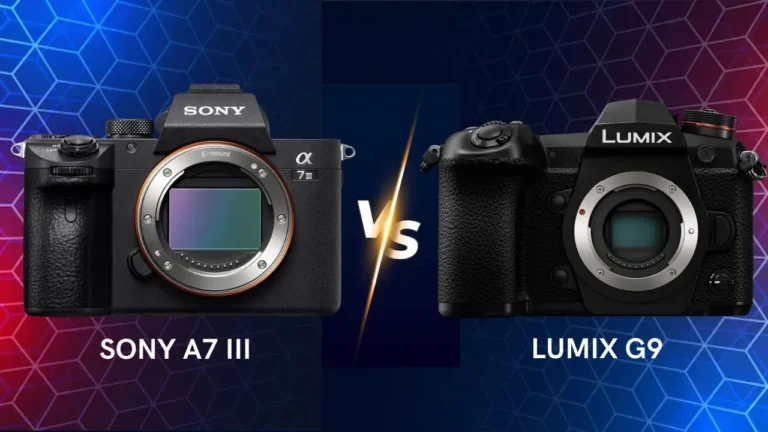
Sony A7 III: Sony’s most influential camera, combining a BSI sensor, superb autofocus, and long battery life. It set the standard for the modern full-frame mirrorless era — and it still holds up remarkably well.
In short:
-
Z6 II = Modern Nikon colors, ergonomics, and dual-slot reliability.
-
A7 III = Proven Sony speed, autofocus power, and endurance.
📸 Specifications Comparison
| Feature | Nikon Z6 II | Sony A7 III |
|---|---|---|
| Sensor | 24.5MP Full-Frame BSI CMOS | 24.2MP Full-Frame BSI CMOS |
| Processor | Dual EXPEED 6 | BIONZ X |
| Autofocus System | 273-point Hybrid AF | 693 Phase-Detect AF + 425 Contrast Points |
| Continuous Shooting | 14 fps (mechanical) | 10 fps |
| In-Body Stabilization (IBIS) | ✅ Yes (up to 5 stops) | ✅ Yes (up to 5 stops) |
| Video Recording | 4K 60p (1.5x crop) / 4K 30p (full width) | 4K 30p (full width, no crop) |
| Log / 10-bit Output | ✅ N-Log / HLG via HDMI | ✅ S-Log2 / S-Log3 / HLG (8-bit internal) |
| ISO Range | 100–51,200 | 100–204,800 |
| Viewfinder | 3.69M-dot OLED EVF | 2.36M-dot OLED EVF |
| Screen | 3.2” Tilting Touch LCD | 3.0” Tilting LCD (non-touch) |
| Card Slots | 1 × CFexpress Type B + 1 × SD UHS-II | 2 × SD (1 UHS-II + 1 UHS-I) |
| Battery Life (CIPA) | ~410 shots | ~710 shots |
| Body Build | Magnesium Alloy (Weather-Sealed) | Magnesium Alloy (Weather-Sealed) |
| Weight | 705 g | 650 g |
| Price (Body Only) | ~$1,999 (check on Amazon) | ~$1,699 (check on Amazon) |
🧱 Build and Handling
Both cameras feel solid and professional, with full magnesium alloy construction and weather sealing.
The Nikon Z6 II stands out for its ergonomics — Nikon’s grip is deep and comfortable, the controls are logically placed, and the interface feels modern and intuitive. The top LCD display also adds a premium touch.
The Sony A7 III, on the other hand, is smaller and lighter, but its older menu system and tighter grip can feel a bit less refined. However, Sony’s body is extremely durable and highly customizable once you get used to it.
👉 Verdict:
-
Z6 II: Better ergonomics and user experience.
-
A7 III: Smaller, lighter, and still very robust.
🎯 Autofocus and Performance
This is where Sony built its legacy.
The A7 III’s 693-point autofocus system covers over 90% of the frame and delivers fast, reliable tracking for people, animals, and moving subjects. Its Eye AF performance remains impressive even by today’s standards.
The Z6 II significantly improved Nikon’s AF game with dual EXPEED 6 processors and eye detection, but Sony’s real-time tracking is still slightly faster and stickier. That said, the Nikon offers smoother transitions and better accuracy for still subjects.
👉 Verdict:
-
Z6 II: Smooth, intelligent AF for portraits and general use.
-
A7 III: Faster, more responsive tracking for sports and wildlife.
🎥 Video Capabilities
Both cameras are excellent hybrid options, but the Z6 II offers slightly more flexibility.
Nikon Z6 II
-
4K 60p (with 1.5x crop)
-
Full-frame 4K 30p
-
10-bit N-Log and HLG output via HDMI
-
Optional external RAW recording
-
Excellent color depth and tone
Sony A7 III
-
4K 30p (no crop, 6K oversampling)
-
S-Log2, S-Log3, and HLG support
-
Fast AF tracking in video
-
Clean image, but limited to 8-bit recording
The Z6 II wins for flexibility and color control, especially when recording externally. The A7 III produces great footage but feels slightly limited by its 8-bit internal recording.
👉 Verdict:
-
Z6 II: Better for filmmakers and hybrid creators.
-
A7 III: Great for vloggers and run-and-gun shooters.
🧠 Image Quality
Both cameras produce outstanding 24MP full-frame images — detailed, sharp, and full of dynamic range.
The Z6 II has the edge in color depth and tonal range, with smoother highlight transitions and cleaner skin tones. Nikon’s RAW files are also highly flexible for post-processing.
The A7 III, meanwhile, shines in low-light situations thanks to its excellent noise control and deep shadows.
👉 Verdict:
-
Z6 II: Slightly better color and tonality.
-
A7 III: Better low-light performance.
🔋 Battery and Storage
The Sony A7 III is unbeatable in this category. Its NP-FZ100 battery delivers up to 710 shots per charge, almost double the Z6 II’s endurance.
However, the Z6 II’s CFexpress slot offers faster write speeds, perfect for bursts and high-bitrate video, while the A7 III’s dual SD setup is cheaper and easier to manage.
👉 Verdict:
-
Z6 II: Faster cards, more flexibility.
-
A7 III: Longer battery life.
💰 Price and Value
The A7 III remains one of the best-value full-frame cameras available, especially for those entering Sony’s huge E-mount ecosystem.
The Z6 II costs a bit more but offers a newer processor, external RAW options, and improved ergonomics — justifying its price for many creators.
👉 Verdict:
-
Z6 II: Best for hybrid creators and color enthusiasts.
-
A7 III: Best for performance and long-term lens flexibility.
Check availability and price on Amazon 🛒
📷 Nikon Z6 — Amazon USA / Amazon Canada / Amazon UK / Amazon Australia
📷 Sony A7 III — Amazon USA / Amazon Canada / Amazon UK / Amazon Australia
🏁 Final Verdict — Nikon Z6 II vs Sony A7 III
| Type of User | Recommended Camera |
|---|---|
| Beginner Full-Frame Photographer | Sony A7 III |
| Enthusiast Photographer | Nikon Z6 II |
| Portrait Photographer | Nikon Z6 II |
| Landscape Photographer | Nikon Z6 II |
| Sports / Wildlife Photographer | Sony A7 III |
| Hybrid Creator (Photo + Video) | Nikon Z6 II |
| Travel Photographer | Sony A7 III |
| Low-Light Shooter | Sony A7 III |
| Budget-Conscious Buyer | Sony A7 III |
✅ In short:
-
Choose the Nikon Z6 II if you want a beautifully balanced hybrid camera with excellent color science, external RAW support, and better ergonomics.
-
Choose the Sony A7 III if you want faster autofocus, longer battery life, and access to Sony’s massive E-mount lens lineup.
🧠 Final Thoughts
Both the Nikon Z6 II and Sony A7 III remain excellent full-frame mirrorless cameras — reliable, powerful, and capable of producing stunning results.
The Z6 II is the smarter choice for hybrid creators who care about color accuracy, external recording, and modern design, while the A7 III remains the workhorse for photographers who prioritize autofocus speed, battery life, and system flexibility.
If you value Nikon’s feel and refined output, go with the Z6 II.
If you prefer Sony’s speed and lens ecosystem, the A7 III is still one of the best buys in full-frame mirrorless.